Monday, March 9, 2020

Animal Cruelty

https://drive.google.com/uc?export=view&id=16vlN7nbjgghpYXa4-VchZDB0Bmo0MI6Z
Source: ASPCA
Cruelty Issues

As you read this, another innocent animal is being abused, neglected or forced to fight. The first step to creating positive change for these animals is recognizing the cruelty that threatens them.

Friday, March 6, 2020

Cat Dental Care

https://drive.google.com/uc?export=view&id=1_EaZ-2WBdsByotMHcCZSFAq63sH7Lf1I

Your cat needs clean, sharp teeth and healthy gums. Damage to the tongue, teeth, palate and gums can lead to many health risks for felines, but these can be prevented with regular home check-ups and good old-fashioned brushings.

  • If your kitty’s mouth has an abnormally strong odor, he may have digestive problems or a gum condition such as gingivitis, and should be examined by a vet.
  • With your cat facing you, gently push back his lips and take a look. The gums should be firm and pink, not white or red, and should show no signs of swelling. The teeth should be clean and free of any brownish tartar, and none should be loose or broken.
  • Watch for any of the following signs that could indicate problems in your cat’s mouth:
  • Dark red line along the gums
  • Red and swollen gums
  • Ulcers on gums or tongue
  • Loose teeth
  • Pus
  • Difficulty chewing food
  • Excessive drooling
  • Excessive pawing at the mouth area
  • At any sign of gum inflammation, you should take your cat in for a veterinary exam. If left untreated, gum disease can develop, possibly leading to tooth loss or inability to eat Inflammation may also point to an internal problem like kidney disease or Feline Immunodeficiency Virus.
  • Bacteria and plaque-forming foods can cause a buildup on a cat’s teeth. This can harden into tartar, possibly causing gingivitis, receding gums and tooth loss.
  • All you’ll need to brush your cat’s teeth are cotton swabs and a small toothbrush and tube of toothpaste formulated for felines. You can also use salt and water. Ask your vet to suggest the brushing supplies that he trusts, and be sure never to use toothpaste designed for people—the ingredients can be unhealthy for your cat.

Brush your cat’s teeth at home by following these simple steps:

  1. First get your cat used to the idea of having her teeth brushed. Start by gently massaging her gums with your fingers or touching a cotton swab to them.
  2. After a few sessions, put a little bit of cat-formulated toothpaste on her lips to get her used to the taste.
  3. Introduce a toothbrush designed especially for cats—it will be smaller than human toothbrushes and have softer bristles. Toothbrushes that you can wear over your finger are also available and allow you to give a nice massage to your cat’s gums.
  4. Apply the toothpaste to her teeth for a gentle brushing.

Chew toys can satisfy your cat’s natural desire to chomp, while making her teeth strong. Gnawing on a chew toy can also help floss your cat’s teeth, massage her gums and scrape away soft tartar.

If your cat suffers from any of the symptoms mentioned below, please see the vet right away:

  • Gingivitis: This inflammation of the gums is mainly seen in older cats. It may start as a dark red line bordering on the teeth. If left untreated, gums may become sore and ulceration may occur. This may be a sign of FIV or other infection.
  • Periodontitis: If gingivitis invades the tooth socket, the tooth may become loose and an abscess may form.
  • Stomatitis: This inflammation of the mouth lining may result from a foreign body in the mouth, a viral disease or dental problems. The cat will have difficulty eating and the inside of the mouth will appear red.
  • Rodent Ulcer: A slowly enlarging sore or swelling on the upper lip.
  • Salivary Cyst: If salivary glands or ducts that carry saliva to the mouth become blocked, a cyst may form under the tongue.
  • Mouth Ulcers: Ulcers on a cat’s tongue and gums are sometimes caused by feline respiratory or kidney disease.

Wednesday, March 4, 2020

Cat Grooming Tips

A clean cat is a happy cat, and we're here to help! From nail trims to bathing, a little maintenance goes a long way. Read on to find out how to keep your kitty’s eyes, ears, teeth, skin and fur healthy and clean. Please note: There are some cats who do not tolerate being groomed. If your cat fights the grooming process, and there is some potential that injury could occur to your cat or yourself, please make an appointment with a professional groomer or a veterinarian to have your cat groomed.

https://drive.google.com/uc?export=view&id=1sWgA8aFcTM0HuHkcjfrCrPzASvKCsXrJ

Bathing Your Cat

With her built-in grooming tools (tongue and teeth), your fastidious feline is well-equipped to tackle her own hair care needs. But if she is very dirty or gets into something sticky or smelly, you may need to give her a bath. Follow these steps to ensure minimal stress and maximum efficiency.

https://drive.google.com/uc?export=view&id=1G-Uxt6q5gnCZsOu5oZAqE2TV8hkdV3aH

Brushing Your Cat

Brushing your cat not only removes dirt, grease and dead hair from her coat, but it helps to remove skin flakes and stimulates blood circulation, improving the overall condition of her skin. One or two brushings per week will help kitty to keep her healthy glow—and you’ll find that regular sessions are especially beneficial when your cat ages and is no longer able to groom so meticulously on her own.


Skin Problems

The condition of your cat’s skin is an indication of her overall health. When a skin problem occurs, your cat may respond with excessive scratching, chewing and/or licking. A wide range of causes—from external parasites and allergies to seasonal changes and stress, or a combination of these—may be affecting your cat’s skin and should be investigated. Skin problems are one of the most common reasons pet parents seek veterinary care.

Shedding

Shedding is a cat’s natural process of losing dead hair. Indoor cats can shed all year-round. Regularly grooming your cat and vacuuming hair from your house should minimize the inconvenience of shedding. However, if you see bald patches in your cat’s fur or notice a significant loss of hair, the underlying cause may be a health-related problem and should be investigated by a veterinarian.
https://drive.google.com/uc?export=view&id=1Dec8al03Tyq9NR7SS5ryhDgeztCFUL2m

Ear CareYour cat’s ears may be able to pick up the sound of a bag of treats being opened across the house, but they could still use a little help staying clean. Monitoring your kitty’s ears once per week for wax, debris and infection will help those sensitive sonar detectors stay perky and alert to your every move.
https://drive.google.com/uc?export=view&id=1m6lO6b2A5ysS6-fPsaQ4Fw6n6FGxFN9n

https://drive.google.com/uc?export=view&id=1KHJoowHdTA9aorrGp1fCZKdAGaprogGf

Healthy Paws

Cats need healthy feet to scratch, climb and achieve their famed acrobatic landings. That’s why it’s important to regularly examine and clean your cat’s paws and make sure they’re wound-free.


https://drive.google.com/uc?export=view&id=1hWLiX6ejqbdyB9vHXGQ9U5bJlOkzYkcR


Nail Care

Does your kitty disappear when the clippers come out? Do you have to wrap her in a towel to give her a manicure? Follow these steps to help your cat relax while you trim.
Source. ASPCA

Thursday, February 27, 2020

Dog Breeds that act like Cats

dogs that are like cats
Source: Women's Day

Everyone likes to say that there are cat people and there are dog people. But, believe it or not, there are some people who are fans of both. If you're one of those who love cats and dogs equally and just can't decide which type of furry friend you'd want to add to your family, perhaps one of these dogs that are like cats will entice you.

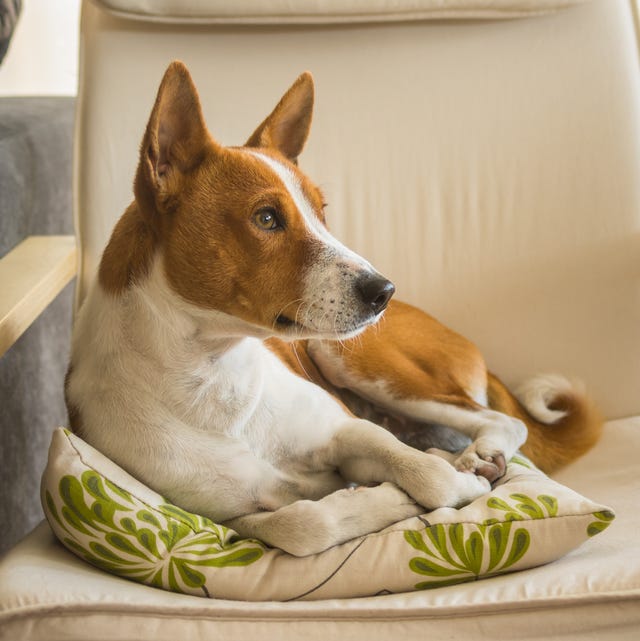
Basenji
Just like a cat, the Basenji is a good little hunter, according to Dog Time. The breed is also known as "the barkless dog" because it's so quiet. And to make it even more cat-like, the Basenji has an extremely stubborn streak. It may very well known what command your asking him to do, but whether it follows or not will depend on how it's feeling.

Chow Chow
It's no secret that the big fluffy Chow Chow isn't exactly kitten-sized, but these proud dogs really do behave like cats. They've been likened to cats in their need for keeping clean, according to the American Kennel Club, and are incredibly easy to house train. They're a refined and dignified breed and can act aloof at times, but are very loyal towards loved ones.

Greyhound
Greyhounds may be best known for racing at high speeds, but according to Vet Street, these dogs love nothing more than lazing around on the sofa all day and actually require minimal exercise, making them great apartment dogs. They're also quiet, gentle, and extremely friendly dogs.

Manchester Terrier
The Manchester Terrier definitely has the size of a cat — usually maxing out around 20 pounds — but the breed also shares one very stereotypical cat trait: being great mouse hunters. According to the AKC, Manchester Terriers are also very graceful and athletic, which sounds pretty cat-like.

Papillon
The Papillon may be named after the French word for butterfly, thanks to its big wing-like ears, but this little dog share plenty of feline personality traits. According to Dog Time, Papillons are very agile and curious, but also love nothing more than curling up in a ball on your lap.

Shiba Inu
These little, muscular dogs were once used as hunters, according to the AKC. They have a smooth, graceful stride and are basically born house broken, so you'll never have to really worry about them having accidents like most puppies will.

Whippet
Another racing breed that loves curling up on a soft armchair in a warm house more than anything else. But they do enjoy a good sprint from time to time, according to Hills Pet. They're also known for getting along great with other pets, including cats.

Source: Women's Day

Tuesday, February 25, 2020

Show your cat you love her with these tips.
Source: Cathealth.com


Cats and humans don't always speak the same language. In fact, some things we do to try and show our cats love might actually be harming them. Learn more here: "You Love Spoiling Your Cat, but Should You?"
Luckily, there are easy ways to let your kitty know you adore her. We've compiled some here to help you bridge the communication gap between you and your feline friend.

Slow Eye Blink at Her

Cats slow eye blink at each other and at their humans when they're feeling relaxed and loving. You can slow eye blink back at your cat, too, and she'll understand the feline gesture as love. Learn more here: "Why Do Cats Do the Slow Eye Blink?: It's a Kitty 'Eye Love You'!"

Use Interactive Toys to Play with Her

Cats are predators, but they often don't get to use those instincts as much as they need to when they're house cats.
You can allow your cat the outlet of chasing prey by providing interactive toys for her. Spend at least 10 minutes a day playing with your cat using a wand toy. A toy like the Frolicat Cheese Cat Toy can be great, too.
Predator-prey play helps keeps cats mentally and physically healthy.

Give Her Whiskers a Break

Did you know that cats can get whisker fatigue? If you're using water and food bowls that push back on her whiskers when she eats and drinks, you may be unwittingly causing your cat pain.
Get a cat fountain and an anti-whisker fatigue bowl and place them on opposite sides of the room. Cats don't like to eat and drink close to each other, so giving her whiskers a break and separating her food and water sources will let her know that you really get her.

Give Her Comfortable Beds and Plenty of Them

Cats love to sleep and providing great quality, cozy beds is a great way to show yours you love her. Many cats like to be up high, so consider a tall cat tree with a roomy bed on top. That way, your cat can get above her territory and survey it. 


Source: Cathealth.com

Thursday, February 20, 2020

The Truth About TeaCup Dogs

Teacup puppies are a marketing ploy. This small dog is available for adoption.
Source: Bestfriends


Looking for a “teacup” puppy? You may have heard of them — dogs for sale weighing less than four pounds fully grown. Elizabeth Oreck, national manager of Best Friends’ puppy mill initiatives, sums up the teacup puppy phenomenon quite simply: “There’s really no such thing as a teacup breed of puppy.”

Elizabeth equates the level of disappointment for folks who buy teacup puppies with that of a similarly misnamed fad, teacup pigs. “People buy these animals labeled as ‘teacup’ and think they’re getting a miniature,” says Elizabeth. “But the reality is when the young puppies grow into adulthood, they’re often much bigger than what the people thought they were buying — if they’re healthy enough to grow up at all.”

Teacup puppy marketing ploy

Elizabeth says that the term “teacup” is really just a marketing ploy to sell more puppies. The majority of teacup puppy purchases are from breeders selling online, where stock images show darling puppies posed in a teacup. People imagine themselves toting around a Lilliputian pet in a tiny purse. “The pet industry, fueled by greed, creates a demand for a pet that can only be produced by unscrupulous breeders,” Elizabeth says.
It’s not only a marketing ploy, it’s a consumer fraud issue. “Teacup puppies are much more expensive than other puppies,” Elizabeth says. “There are no dog registries, including the American Kennel Club, that recognize teacup dogs.”

The tragic truth about mini puppies

Another problem is that puppies for sale with a teacup prefix are often unhealthy. They’re usually much younger than advertised, or they’re undersized puppies resulting from the breeding of runts to runts. Either practice does a disservice to people and pets. Puppies separated too early from their mothers, as well as the offspring of two runts, are often plagued with a lifetime of health problems, including fragile bones and fragile health, says Elizabeth. “If those puppies even make it to adulthood, they can cost people thousands of dollars in medical expenses.”
The fact is, people who buy a teacup puppy are often disappointed. “Many of the dogs who are labeled as ‘teacup’ are already small-breed dogs, like Yorkshire terriers,” says Elizabeth. “False advertising leads people to believe they’re getting an even smaller version of the breed, but then the teacup puppy often grows up to become a standard-sized Yorkie.”

Deceptive advertising

Chihuahuas are available for adoption for folks looking to adopt a small dogFor folks looking to adopt a small dog, Chihuahuas are the smallest breed recognized by the AKC, and they’re available from animal shelters and rescue groups around the country. “There are toy breeds available right now at your local shelter,” says Elizabeth. “Chihuahuas are being transported across the country because Los Angeles’ shelters are filled with them. Nobody needs to shell out a lot of money for a teacup puppy when so many toy-sized dogs are dying in animal shelters.”
Dog lovers who want a small dog can look on Petfinder.com or do a search online for breed rescue groups, where tiny dogs of every age, shape, color and temperament are ready for adoption. “We want to help people avoid making the potentially heartbreaking and expensive mistake of falling for what is basically deceptive advertising,” says Elizabeth. “No one is going to end up with an adult dog who fits inside a teacup. You’re better off adopting a dog and saving your teacups for tea."

About Best Friends' puppy mill initiatives

Through Best Friends' puppy mill initiatives, we are educating consumers about puppy mills, helping to create and lobby for humane legislation, and working with pet stores to offer shelter pets for adoption instead of selling mill-bred pets. Together, we're making an impact and saving lives. Join us and help bring about a time when every dog can feel safe, happy and loved.
Learn more about the puppy mill initiatives.
Source: Best Friends
Photos by Sarah Ause-Kichas

Tuesday, February 18, 2020

Pet Allergy Checklist

Image result for pet allergies
Source: Earthbath


Hot for the summer

To avoid these problems and enjoy the  summer season  with your  pet , here're the tips to keep in mind. Provide plenty of water and...