Fall is coming fast.
The days are getting shorter and the weather is starting to get cooler. Leaves are starting to change color and kids are heading back to school. It’s a great time of year to get outside with your dog and enjoy the cooler temperatures and gorgeous scenery.
Hiking and long walks are a lot more fun for you and your dog in the fall without those hot summer temperatures. But whenever the seasons change there are some things that you should do to make sure that both you and your dog are ready for the next season.
15 Ways to Keep Your Dog Healthy in the Fall
1. Buy Some New Dog Beds
The temperature is going to start dropping. That means that your house will be chilly and your dog is going to want to snuggle up in some soft and thick bedding. When was the last time you replaced your dog’s beds and blankets?
Fall is the perfect time to stock up on new warm and
cozy dog beds for your dog. Place them in your dog’s favorite spots around the house. If you have a dog that is a short haired breed you might want to consider getting a heated bed for your dog so that your dog will be nice and warm when sleeping.
2. Stock Your Winter Weather Pet Emergency Kit
Fall is also a great time to overhaul your pet emergency first aid kit. Restock any supplies that are out of date or that you have used but not replaced. Also add some cold weather specific first aid items like a heating pack, a bottle of water, and wipes that will get salt and de-icer off of your dog’s paw fast.
You also might want to
put some paw balm in there to soothe your dog’s paws. Walking on ice, salt, and other materials that are commonly found on the ground during colder weather can really irritate your dog’s paw pads. If they are not kept healthy and hydrated they could dry and crack.
3. Buy Some Cold Weather Doggy Clothes

Dog clothes are more than just fashion accessories. Dogs that have short, fine, or thin coats can get chilled very easily once the colder weather starts to arrive.
Doggie sweaters,
dog coats, and socks are all necessary if you live in a climate where the weather starts getting cold in early fall. So now that summer is over it’s time revamp your dog’s wardrobe and start adding some warm winter gear.
4. Get Your Dog Some Boots
Dog socks and boots are a must have for the rainy cold weather of fall. They will keep your dog’s legs warm and they will also protect the dog’s paws from the cold ground, ice, salt and other irritants.
Putting
waterproof dog boots or waterproof dog socks on your dog also keeps his paws warm, clean and dry during rain season, prevents muddy paws from tracking dirt and mud all over your house when you get back from a walk or a visit to the dog park.
5. Get Paw Hair And Nails Trimmed
You should already be getting your dog’s nails trimmed on a regular basis. But especially in the fall it’s important that your
dog’s nails are trimmed and tidy.
Their paw hair and leg hair should clipped too. That will prevent snow, water, mud, and other things from getting trapped in that fur and making your dog really uncomfortable and dirty. Proper
dog paw care is particularly important during cold winter months.
6. Get A Vet Checkup
When was your dog’s last checkup? If it’s been awhile, the fall is the perfect time to visit the vet and get a checkup. Get your dog’s annual vaccinations done too.
Regular vet checkups should already be a regular occurrence in your household each year but in the fall it's particularly important as you're preparing for the cold weather season.
7. Don’t Stop Flea And Tick Preventative
This is extremely important. Many dog owners think that after the summer is over they can stop using
flea and tick preventative because the weather is getting colder and making it harder for fleas to survive. But, the fall is prime tick season and ticks can carry diseases that can be deadly to your dog. You should really be using flea and tick preventative all year long. But you definitely need to be using it in the fall, especially if you are taking your dog on hikes or camping to enjoy the beautiful fall scenery.
8. Brush Out That Summer Coat
When the seasons change your dog will start to shed. A lot. You can make the process easier and faster by grooming your dog regularly to
brush out that summer coat and let the dog’s thicker and warmer fall coat come in.
If you don’t want to invest in the time in daily brushing take your dog to a professional groomer and ask them to prepare your dog for the upcoming season. They'll know what to do.
9. Stock Up On Doggy Treats
Colder weather may prevent many dogs from exercise and become more
lazy, but for others, keeping up body temperature in cold weather means that your dog will be burning extra calories which need to be replenished.
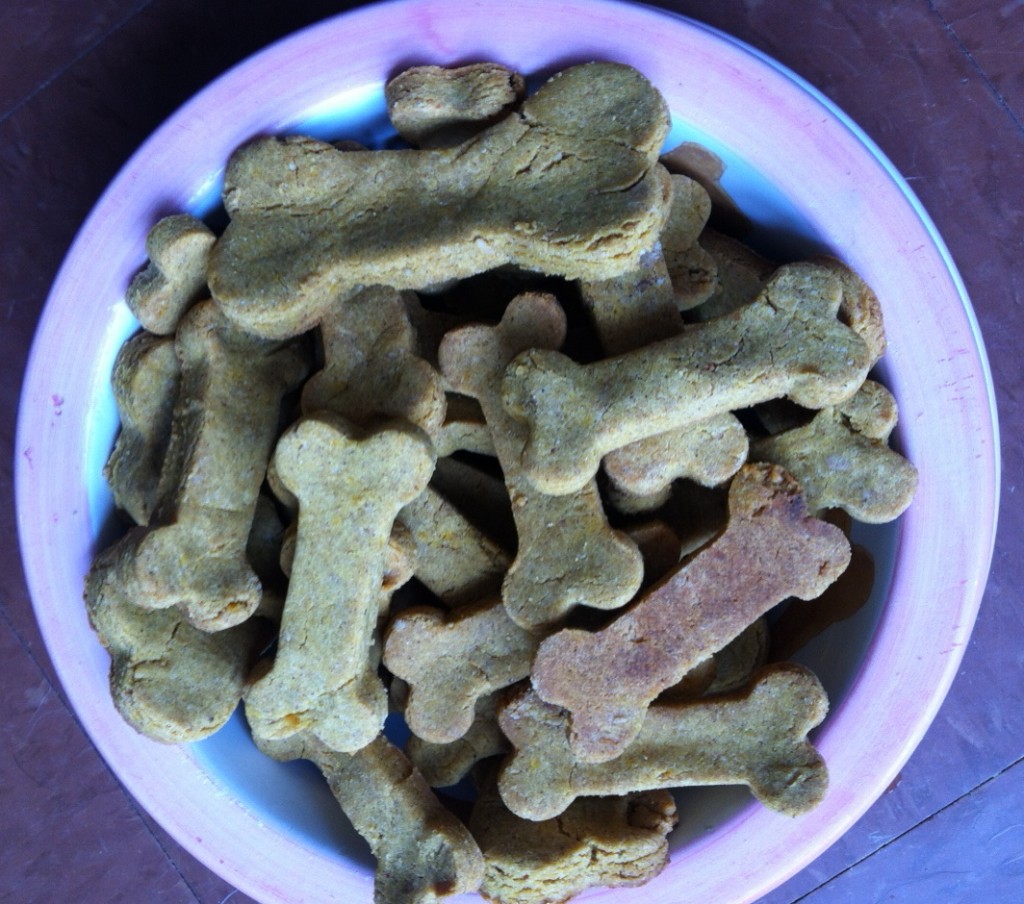
If that's your dog, then that makes it the perfect time to start giving your dog more dog treats. Everyone likes to snack more during the fall and winter so go ahead and give your dog some extra treats once the weather starts to cool down.
10. Add Canned Food To Your Dog’s Diet
If you only feed dry kibble you should consider adding some canned food to your dog’s diet in the cold weather.
Canned food is rich in moisture which will help your dog stay hydrated in the cold and dry weather. And, the extra calories will help keep your dog at a healthy weight and give your dog calories to burn staying warm.
11. Consider Buying A Pet Stroller

Going on walks with your dog in the fall is always fun. But fall weather can be unpredictable and storms can come up fast. The cold pavement can also start to your dog’s feet after awhile.
Consider buying a
pet stroller that your dog can ride in during bad weather or when the sidewalks and roads are cold, slipper, or covered in salt. That way you and your dog can both enjoy the outdoors without the risk of your dog getting sick or hurting its paws.
12. Humidify The House
Once the days get cool and the nights get chilly it will be time to turn the heat on again in the house. That can make the house a really uncomfortable and dry atmosphere for your dog.
Respiratory problems in dogs are very common during cold months because of that hot and dry air in the house, according to
MerckVetManual. Your dog may start coughing or wheezing because of the air quality. Start running a cool mist humidifier to add moisture back into the air and help your dog breathe more comfortably. It will also help you and the other residents of the house.
13. Start Giving Skin And Coat Supplements
That hot and dry air doesn’t just affect your dog’s respiratory system. It can also affect your dog’s skin and coat. You should talk to your vet about adding
fish oil or other skin and coat supplements to your dog’s diet during the fall and winter.
The
supplements will help keep your dog’s skin from becoming dry and itchy and keep your dog’s coat in good condition. You also may want to consider taking your dog to a groomer during the winter to make sure that their skin is healthy and to make sure that no salt, burrs, or mud gets lodged in their paws or tangled in their coat.
14. Beware Of Antifreeze

Antifreeze kills thousands of dogs annually, and news about dogs being poisoned by antifreeze
keep popping up.
Antifreeze has a sweet taste so if dogs find any of it in the driveway, in the road, in a parking lot or on the pavement they will lap antifreeze up. But it’s poisonous to dogs. And, many people will start to use it once the weather gets cool.
Always be on the lookout for small dark puddles when you have your dog out for a walk and make sure that you don’t spill any if you’re using it in your vehicle. Clean up any spills immediately. If you let your dog outside alone regularly check the area to be sure there are no antifreeze puddles or spills anywhere that your dog has access to.
15. Choose Dog-Safe Decorations
Fall means Halloween and Halloween decorating! Decorating for Halloween is something that many people take very seriously. But when you are decorating your home and your yard for the holiday be sure that your decorations are dog safe.
Also, make sure that any decorations that your dog could eat or injure themselves on are up high or in a place that your dog can’t at. Dogs who eat Halloween decorations could end up with obstructions in their stomach or throat that require surgery. And the paint and coatings on other decorations could be toxic. So have fun decorating but just be sure that your dog is safe too.