Monday, December 10, 2018

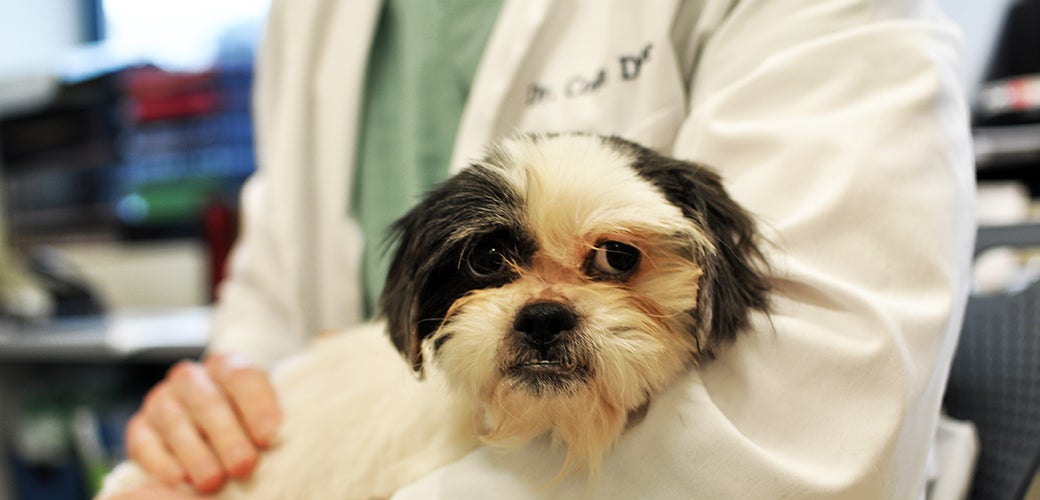
Common Dog Diseases

At Thompson Vet, we really want to make sure you know your best defense against common #dog diseases. If you aren't aware, how can we prevent them? Together with the proper provider for your dog, you can keep on top of all vaccinations and updates on common illnesses and #dogdiseases.

Keep in mind, if you are in the Spingtown, TX area, we expect you to choose us! lol
Seriously, please call on us at anytime to make an appointment for your well checks for your pup.  Our new patient exams are on special for only $30 and you can not beat that price!

Recently we found a great website page on ASPCA website.  We would love to share some things about the most common diseases.
Common Dog Diseases
Source: ASPCA

As a dog parent, it is important to recognize the signs and symptoms of common illnesses so you can seek veterinary help for your canine friend as soon as possible. Read on for information about diseases and other medical inflictions that frequently impact dogs.

Cancer

Finding out that a loved one has cancer can be very scary and confusing. When that loved one is your dog, it’s important to keep in mind that different veterinarians might have different views on the best way to treat the disease. It’s always a good idea to seek out a second opinion, perhaps from a veterinary oncologist, and carefully review your options.

Diabetes

Diabetes in dogs is a complex disease caused by either a lack of the hormone insulin or an inadequate response to insulin. After a dog eats, his digestive system breaks food into various components, including glucose—which is carried into his cells by insulin, a hormone secreted by the pancreas. When a dog does not produce insulin or cannot utilize it normally, his blood sugar levels elevate. The result is hyperglycemia, which, if left untreated, can cause many complicated health problems for a dog.

Heartworm

Heartworm is a parasitic worm that lives in the heart and pulmonary arteries of an infected animal. The worms travel through the bloodstream—harming arteries and vital organs as they go—ultimately completing their journey to the vessels of the lung and the heart chamber about six months after the initial infection. Several hundred worms can live in one dog for five to seven years.

Kennel Cough

Kennel cough is a term loosely used to describe a complex of respiratory infections—both viral and bacterial—that causes inflammation of a dog’s voice box and windpipe. It’s a form of bronchitis and is similar to a chest cold in humans.

Parvovirus

Canine parvovirus is a highly contagious viral disease that can produce life-threatening illness.

Rabies

Rabies is a viral disease that may affect the brain and spinal cord of all mammals, including cats, dogs and humans. This preventable disease has been reported in every state except Hawaii. There’s good reason that the very word “rabies” evokes fear in people—once symptoms appear, rabies is close to 100% fatal.

Ringworm

Although the name suggests otherwise, ringworm isn’t caused by a worm at all—but a fungus that can infect the skin, hair and nails. This highly contagious disease can lead to patchy areas of hair loss on a dog and can spread to other animals—and to humans, too.

Saturday, December 1, 2018

December is here!

Source

December

Month:

Cat Lover’s Month

Days

December 2: National Mutt Day (Round 2!)
December 4: National Cookie Day
December 5: International Volunteer Day
December 13: National Cocoa Day (the perfect day to cuddle up with a cup of hot cocoa!)
December 25: Christmas Day
December 26: Boxing Day (Canada)
December 31: New Year’s Eve

Source: Life Learn

At Thompson Veterinary Clinic we believe that animal education is important. We research to find the best articles, and information there is for our patient's care givers. If you have any questions or comments about this blog, please call Autumn at SeeMeKC
If you have questions, concerns, or if you want to make an appointment call Dr. Thompson's office at:  (817) 404-9222

Thursday, November 29, 2018

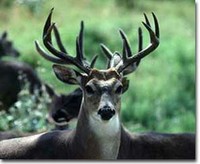
What happens to deer in the winter?

What do deer do in the cold?


Texas deer move more to warmer temperatures when the seasons start to change.                                              Deer move less during frigid temperatures so they can conserve much needed calories. Doing this can be the difference between survival and starvation. Nutritious food is scarce during the winter and the deer's metabolism actually slows down significantly to help retain energy needed to keep the body warm. 
They usually move around a bit in the winter, but when it is windy they bare down.        The wind decreases they natural ability to to hear and smell.  
Deer tend to "hunker down" and remain until the winter ends.                                    Avoiding deep snows and high winds, they will preserve their energy and bed near the sun. 

Friday, November 23, 2018

Mobile Vet Services

Did you know that Thompson Vet, has Mobile Vet Services?
Well we do! 

We know you there is no way you can take every animal you have into the vet. 
So, Dr. Thompson makes house calls so he can take care of everyone! 
If you need a house call, call our office and we can take care of you! 

Thompson Veterinary Services sheep

Wednesday, November 21, 2018

Keeping OUTDOOR Pets Warm In The Winter


Winter and summer both present challenges to keeping pets safe and comfortable, but winter is actually easier to prepare for since it’s more about preventing exposure and less about the summer problem of preventing accidents. With one major exception: In cold weather, you always need to be aware of the possibility that a chilly cat could be cuddled against the warm engine of a recently parked car or in the dryer on a pile of warm clothes. Always check your dryer before using it, and thump the hood of your car before starting it to send any sleeping cat on his way.

neighbors would never intentionally cause a pet to suffer in the winter or any other time. But sometimes people just don’t have enough information or are just "doing it the way it has always been done.” Education is always a big part of a doctor’s job, and I pride myself on doing the best I can to offer good advice in a nonjudgmental way that encourages questions and discussion.
Your pet will weather winter better if he’s healthy, so check in with your vet to be sure. Otherwise, here are my winter weather tips for your pets.

Gimme Shelter and Warmth

In my lifetime, many dog and cats have gone from the barnyard to the backyard to the bedroom. I still remember as a boy the day when my dad first allowed our farm dog to sleep in the kitchen during a blizzard. Now I fight for space on my own bed with our pets.
I’m not going to get into a discussion of whether any pet should be outside only, but I will say that small dogs and older pets are ill-equipped to handle extreme cold, and there’s a world of difference between a big, long-haired cat and a near-naked Sphynx or lightly coated Rex cat. Same is true of an Alaskan Malamute or Italian Greyhound.
For animals who are spending time outside, whether just during the day or all the time, it’s essential that they have shelter that protects them from wind, rain and snow, and that it is small and well insulated enough for the pet’s own body heat to keep the temperature up. Even better: Use hay and blankets to keep shelters cozy or talk with a contractor and even your vet about safe options for heating your pet's space.
For inside pets, soft, warm places to snooze are a must, especially if you have tile, stone or wood floors instead of carpeting. Older pets, especially, will appreciate thick beds with egg-crate-type padding.

Protect the Feet and the Fur

Every winter it’s with regret that we clip the fur off our little Quixote’s adorable fuzzy feet, but those long hairs between his pads make it easy for ice balls to form. But even for dogs who don’t have Quixote’s problem, protecting the feet with boots isn’t a bad idea. For small indoor dogs the boots keep feet warm, but for all dogs in snow country boots can protect them from the toxins found in some deicing formulas. Even if you put boots on your pooch, I’d still recommend cleaning his feet when he comes in, just to be safe. (Bonus: It helps keep down tracking!)
And what about clothes for dogs? Again, it depends on the dog. The same kinds of dogs I mentioned as not suitable for life outdoors — small, older or thin-coated — really could use a jacket or sweater when they head out for a walk or to potty.

Fresh Water and Food Adjustments

People aren’t the only ones who put on weight from Thanksgiving to New Year's. Decreased activity and increased availability of goodies have predictable results. I always recommend offering dogs healthy, low-cal treats like carrot sticks (dogs seems to like them better than people do) or breaking bigger biscuits into smaller treats to keep overall consumption down. Outside pets, by contrast, need more food as they burn calories to stay warm.
And don’t forget water! A frozen landscape means frozen water in outdoor dishes. Check with your favorite pet supply retailers for heated bowls so your pet always has a supply of fresh water to drink.
With the basics covered, you can get out and enjoy the season with your pet. Our dogs love playing fetch in the snow, and the chance to dive into a drift makes the game more fun!

Monday, November 19, 2018

Our Pharmacy Option

At Thompson Vet. we are so proud to offer Pharmacy options for our patience.
The pharmacy we offer works great with our patient care. 

Thompson Veterinary Services online pharmacy

Licensed in 50 states, our pharmacy is the most highly accredited partner-pharmacy in the nation.  That means we meet the strictest standards for privacy, authentication, and security of prescription orders, as well as follow an established quality assurance program. 
Vets First Choice Pharmacy Information:
Hours: M-F 9am - 9pm EST
Phone: 
866-356-6214
Fax: 
866-256-8435
Address: 
5013 S. 110th St. Omaha, NE 68137

For more info contact our office!

Friday, November 16, 2018

Horse Care

We are talking Horse Care! 

Source: ASPCA


Nutritional Needs

A horse’s digestive system is made to process large quantities of grass, which is high in fiber and water. The basic diet for most horses should be grass and good quality hay, free of dust and mold. In most cases, plenty of fresh, clean, unfrozen water should be available at all times, even if the horse only drinks once or twice a day.

Vaccinations and Deworming

All horses need vaccinations and most need regular deworming. The specifics should be discussed with an equine veterinarian. Every horse should be protected against tetanus. Other vaccines are routinely given for Eastern and Western equine encephalomyelitis, equine influenza, rhinopneumonitis (equine herpes) and rabies. Vaccines for West Nile Virus are also available. Ask your veterinarian if other vaccines are appropriate for your horse.
Worms can cause weight loss, poor coat, and colic, which can be deadly. It is best to have your veterinarian test and deworm your horse, or advise you on what to use and when. More important than treating worms is minimizing the horse’s exposure to parasites. Proper management entails not putting too many horses on too little land, rotating pastures if possible, and removing feces regularly.

Housing, Rest and Exercise

Contrary to common thought, straight stalls are not necessarily worse than box stalls if the horses are together, and spend most of their day outside. Horses isolated in box stalls can develop behavioral problems from lack of companionship, exercise and mental stimulation. Whenever possible, horses should be outside with other horses every day.

Extreme Weather Precautions

Unless it is very wet and windy, horses tolerate cold much better than heat and humidity. If they can’t sweat, they can’t get rid of heat buildup in their bodies. If the sum of the temperature in degrees Fahrenheit and the relative humidity in percentage is over 130, you should be cautious about exercising your horse. If it is over 150, you should probably rest in the shade, and if it is over 180, most horses should not work at all.

Hoof Care

Hooves should be trimmed every six to eight weeks for horses whose feet do not get adequate natural wear. Despite tradition, most horses don't need shoes if their hooves are given the opportunity to strengthen naturally. In fact, some hoof problems are directly related to shoeing. However, changes should not be made suddenly or without expert guidance. Finding a veterinarian or farrier willing to discuss all the options may be hard, but worthwhile.

Teeth

Horses’ teeth grow continuously. Uneven wear can lead to sharp points and edges that cause pain and difficulty chewing. A horse’s teeth should be checked once or twice a year and “floated” (to make them smoother) by a veterinarian or well-trained equine dentist as needed. Dental problems, from painful points to rotting teeth, may cause difficulty chewing or “quidding,” which occurs when food falls out of the mouth. Other signs of dental disease may include foul breath, undigested hay in the stools or discomfort from the bit or noseband. Dental disease can lead to choke, colic and weight loss.

Equine Poison Prevention

Experts at the ASPCA Animal Poison Control Center [link] have compiled the following list of spring and summer hazards for horses.

Hot for the summer

To avoid these problems and enjoy the  summer season  with your  pet , here're the tips to keep in mind. Provide plenty of water and...